Professional Water Heater Installation: Why Professional Help Is Vital for Maximum Efficiency
Expert water heater installation is a critical aspect of home maintenance. Qualified technicians possess the necessary skills to guarantee that systems operate both efficiently and safely. They help circumvent common pitfalls that can cause costly repairs or inefficiencies. Understanding local codes and regulations is also critical for compliance. As homeowners consider their options, the advantages of professional installation become progressively evident, raising questions about the long-term implications for energy costs and system reliability.
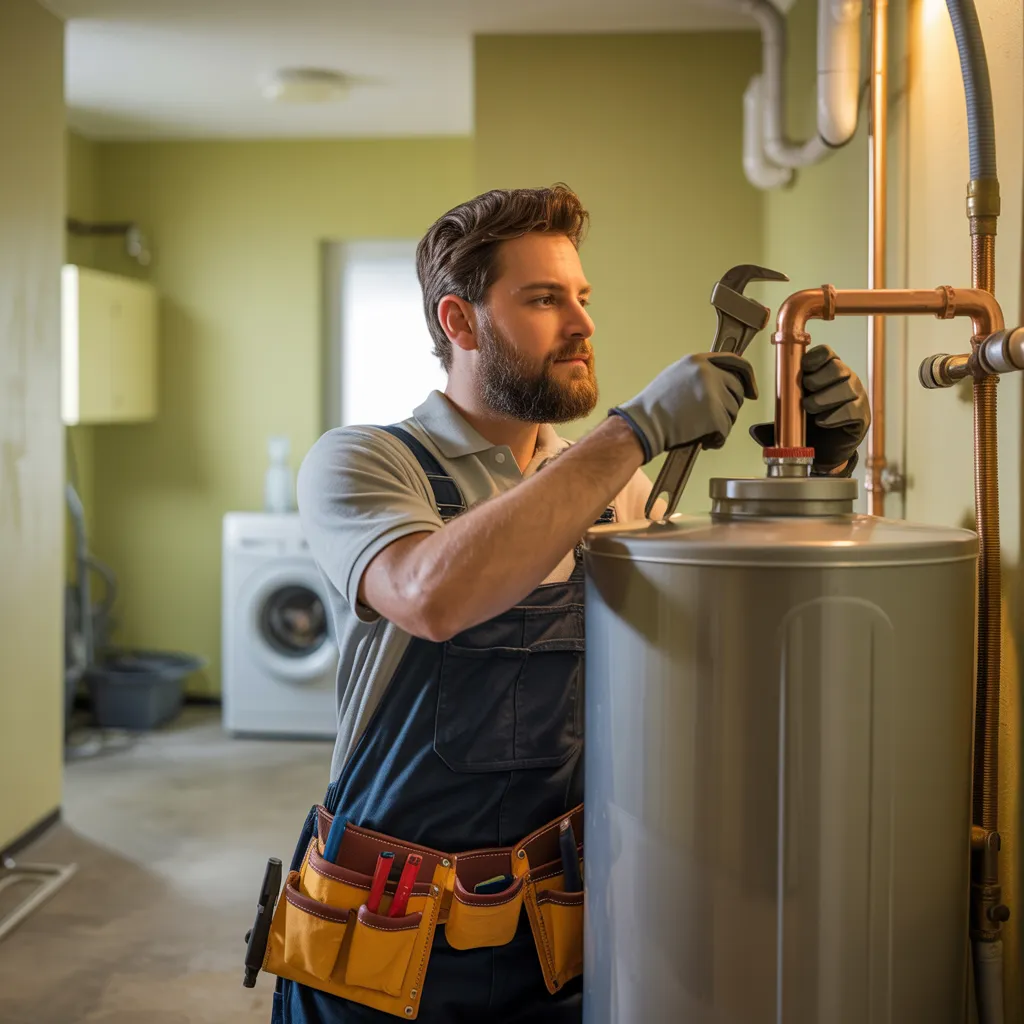
The Importance of Professional Expertise
While certain homeowners may think about DIY installation for their water heaters, the value of professional expertise cannot be overstated. Professional installers offer extensive knowledge and experience to the installation process, guaranteeing that systems are set up in compliance with industry standards and local codes. This expertise aids in avoiding common issues that can arise from improper installation, such as leaks, poor performance, access this information and potential damage to the home.
Additionally, professionals can advise on the most fitting water heater models depending on the homeowner's specific needs, improving efficiency and overall performance. They also own the required tools and equipment to perform the installation effectively and safely. Furthermore, a professional installation frequently includes warranties for both the unit and the labor, giving homeowners reassurance and confidence. In the end, opting for professional expertise can spare homeowners time, money, and stress in the long run, making it a smart choice for water heater installation.
Ensuring Safety Throughout Installation
Ensuring safety during water heater installation is essential for preventing potential hazards. Appropriate ventilation must be implemented to avoid the buildup of harmful gases, while rigorous adherence to electrical safety standards is essential to stop electrical fires and shocks. By prioritizing these essential safety measures, installers can ensure the safety of both themselves and the property.
Appropriate Ventilation Standards
Proper ventilation is a crucial component of water heater installation that markedly impacts safety. Poor ventilation can lead to the accumulation of hazardous gases, such as carbon monoxide, creating serious health risks. Professionals ensure that the installation adheres to local building codes, which often dictate specific ventilation requirements. Proper venting routes exhaust gases outside, avoiding backdrafts and confirming the appliance operates efficiently. Additionally, adequate airflow is essential for maintaining optimal combustion, especially in gas-powered water heaters. By engaging experts, homeowners can trust that their systems are accurately ventilated, minimizing the potential for dangerous situations. Ultimately, focusing on proper ventilation during water heater installation is crucial for protecting both occupants and property.
Electrical Safety Requirements
Regarding water heater installation, compliance with electrical safety standards is vital for decreasing risks connected to electrical faults. Technicians are educated to observe local and national electrical codes, ensuring all wiring connections are secure and adequately insulated. This not only stops potential hazards such as short circuits and electrocution but also assures the water heater operates efficiently. In addition, qualified technicians understand the importance of grounding and bonding, which further increases safety. They also evaluate the existing electrical infrastructure, making necessary upgrades if needed. By relying on expert installation, homeowners can be certain that their water heaters will operate safely and reliably, ultimately lengthening the appliance's lifespan and reducing the likelihood of costly repairs.
Improving Operational Effectiveness and Results
How might homeowners enhance their water heater's efficiency and overall performance? Homeowners can enhance their water heater's efficiency by guaranteeing proper insulation of the unit and the surrounding pipes. This reduces heat loss, enabling the heater to function more efficiently. Consistent maintenance is also essential; regularly flushing the tank aids in removing sediment deposits, which can reduce performance. Additionally, checking the thermostat settings and confirming they are set to an ideal temperature can prevent unnecessary energy consumption.
Additionally, homeowners should consider the type of water heater they use. High-efficiency models, like tankless or heat pump water heaters, offer enhanced performance. Appropriate installation, completed by professionals, confirms that the unit runs at peak efficiency. Lastly, homeowners need to monitor water usage habits, as minimizing hot water demand can considerably improve overall system performance. By taking these steps, homeowners can guarantee their water heaters perform efficiently and effectively.
Lasting Financial Savings
Optimizing performance and efficiency in water heaters not only improves immediate functionality but also contributes to long-term cost savings. Professional installation guarantees that the unit operates at peak levels, lowering energy consumption and reducing utility bills over time. A well-installed water heater minimizes the risk of leaks and malfunctions, which can cause costly repairs and increased water usage. Additionally, energy-efficient models, when installed correctly, often qualify for rebates or incentives, further increasing savings. Regular maintenance, enabled by expert installation, can increase the lifespan of the unit, deferring replacement costs. By investing in professional help, homeowners can achieve a more reliable and efficient water heating system, resulting in financial benefits over the years. This proactive approach not only reduces unexpected expenses but also fosters a sustainable living environment, making professional installation a prudent choice for long-term financial health.
Meeting Local Codes and Regulations
Ensuring compliance with local codes and regulations is crucial for water heater installation, as ignoring these requirements can result in serious legal and safety complications. Local codes are put in place to ensure the safety of residents and make certain that installations meet specific safety standards. Professional installers are experienced with these regulations, guaranteeing that every aspect of the installation complies with the law, from venting requirements to seismic bracing.
Failure to comply can cause fines, the necessity for expensive rework, or even the risk of fire or gas leaks. Moreover, inadequately installed water heaters can void manufacturer warranties, causing extra financial burdens. Professionals not only grasp the intricacies of these codes but also remain current with any changes, making certain that installations remain compliant over time. By choosing expert installation, homeowners can minimize risks and guarantee that their water heaters work optimally and safely within legal parameters.
Warranty Benefits and Peace of Mind
Expert installation not only ensures adherence to local codes and regulations but also offers homeowners confidence about their water heater's working condition. When a trained technician handles the installation, homeowners can be confident the work is completed properly, reducing risks such as leaks or malfunctions. This assurance is vital, especially given the potential hazards associated with improper installations.
Furthermore, various manufacturers provide warranties that are conditional upon professional installation. A certified technician verifies the water heater is installed in accordance with the manufacturer's specifications, permitting homeowners to benefit from full warranty coverage. In the event of a malfunction, this coverage can save substantial repair costs. Overall, investing in professional installation not only increases the water heater's efficiency and lifespan but also safeguards homeowners from the worry of unexpected issues, reinforcing the value of expert assistance in this essential home appliance installation.
FAQ
How Can I Select the Right Water Heater for My Home?
To pick the right water heater, you should evaluate factors such as family size, energy efficiency ratings, fuel type, and budget. Reviewing different models and checking reviews can also give valuable insights for a smart selection.
What is the Average Installation Time for a Water Heater?
Installation time on average for a water heater typically ranges from two to four hours. Factors influencing this duration include what type of heater is being installed, the condition of existing plumbing, and essential changes to the installation site.
Is Self-Installing a Water Heater an Option to Save Money?
Installing a water heater oneself can save money initially, but it often leads to potential hazards and inefficiencies. Professional setup delivers adherence to codes, optimal functionality, and secure operation, which delivers superior lasting benefits and dependability.
What Are Common Signs of a Failing Water Heater?
Common indicators of a failing water heater include fluctuating water temperature, abnormal noises, discoloration of water, leaking around the unit, and an increase in energy bills. Detecting these warning signs can stop further complications and costly repairs.
How Frequently Should I Arrange Maintenance for My Water Heater?
It's important to schedule water heater maintenance annually to provide optimal performance and longevity. Periodic inspections assist in identifying potential issues early, stopping costly repairs and guaranteeing efficient operation throughout the year. Routine care is necessary.